

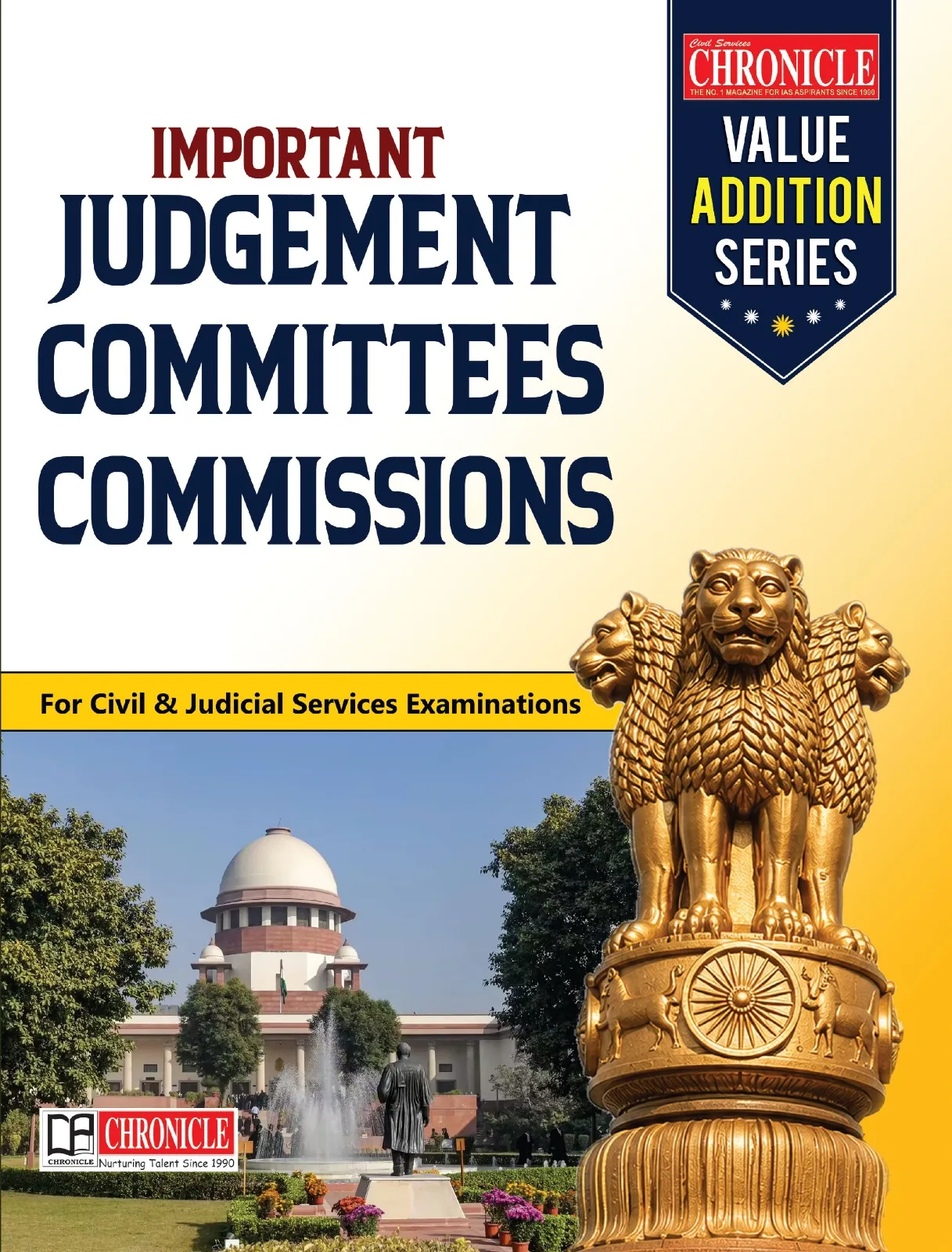
Important Judgments, Committees & Commissions
Judgments, Committees and Commissions constitute an important part of the UPSC Civil Services Examination, particularly for understanding Indian Polity, Governance, Constitution, Social Issues and Current Affairs. Landmark judicial judgments and the recommendations of major committees and commissions have significantly shaped India’s constitutional framework, public policy, administration and democratic institutions.
For UPSC aspirants, merely knowing the names of judgments, committees or commissions is not sufficient. The examination demands clarity on their background, key provisions, recommendations, constitutional relevance, landmark observations and long-term impact. Such topics frequently appear in Prelims through factual and conceptual questions and in Mains through analytical questions, especially in GS Paper II and Essay.
Key Features of the Book
- Landmark Judgments: Important Supreme Court and constitutional judgments relevant to UPSC preparation.
- Committees & Commissions: Key committees, commissions, major recommendations and government responses.
- Prelims Focused: Important facts, provisions, doctrines and institutional developments for statement-based questions.
- Mains Value Addition: Useful points, judicial observations, committee recommendations and examples for GS answers.
- GS Paper II & III: Covers important topics related to Polity, Governance, Social Justice, Environment and Economy.
- Answer Writing Support: Structured points, implications and Way Forward to improve Mains answer quality.
- Exam-Oriented Content: Complex judgments and lengthy reports presented in a concise, filtered and bullet-point format.
- Essay Enrichment: Provides authoritative examples, judgments and recommendations to strengthen Essay arguments.
- Interdisciplinary Approach: Connects constitutional, legal, social, economic and governance-related issues.
- Useful for Other Exams: Helpful for State PSC, CAPF, CDS, Judiciary and other competitive examinations.
Specifications |
|
|---|---|
| Availability | In-Stock |
| Language | English |
| Product Type | Print Edition |
| Edition | 2027 |
| Book Code | 456 |
| Delivery | Free |
| No. of Pages | 196 |
Frequently Asked Questions
This book covers critical judgments related to Polity and Governance, Social Justice, Environment, and Economy. It provides an in-depth look at landmark judgments that have shaped Indian law. Additionally, it features various committees and commissions, their key recommendations, and the government’s response to those recommendations across multiple sectors, including Defence and Social Justice.
Unlike traditional textbooks, this book uses a filtered, bulleted format to break down lengthy judgments and voluminous reports into the most relevant points for exam preparation. The text is systematically organized into key provisions; judicial directives, implications, and a "Way Forward," helping readers build structured opinions and answers.
Aspirants should read this book because it serves as a "value-addition" manual. In the competitive landscape of the Civil Services Exam, standard textbooks provide the base, but this book provides the "extra edge" – the specific judicial precedents and committee quotes that examiners look for in high-scoring scripts. It saves students hundreds of hours by distilling thousands of pages of original reports into exam-ready insights.
This book has been authored by the Chronicle Editorial Team, a group of experts with years of experience in analyzing UPSC patterns and trends. The content is developed under the direct guidance of Mr. N.N. Ojha, the Chief Editor of Civil Services Chronicle, who has over 35 years of expertise in mentoring UPSC aspirants
The UPSC exam has shifted from rote testing to evaluating interdisciplinary logic and administrative maturity. With "pair-based" options in Prelims and philosophical themes in Essays, absolute precision and depth are now vital. This book addresses these changes by providing curated judgments and authoritative evidence that bridge different General Studies (GS) subjects. It moves beyond just reporting current events to explaining the "why" and "how," equipping candidates with the sophisticated, officer-grade analysis required today.
Yes. The book strengthens Prelims preparation by covering committees, commissions, landmark judgments, constitutional doctrines, and institutional reforms. It is particularly effective for topics like Polity, Environment, and Economy. Its factual, concise approach helps candidates solve statement-based, matching, and chronology-style questions by linking static polity with recent legal developments.
The book is a goldmine for GS-II, GS-III, GS-IV, and the Essay paper. It provides the authoritative evidence, landmark judgments, and expert recommendations needed to enrich Mains answers. Its focus on constitutional morality and legal evolution helps transform basic knowledge into well-supported, analytical, and high-scoring responses
Answer writing is about structure and authority. This book presents information systematically—categorizing committee recommendations and judicial verdicts alongside their implications and "Way Forward" points. This structure mirrors the ideal format of a UPSC Mains answer, making it easy for students to memorize and reproduce high-quality content under exam pressure.
This book builds a strong foundation in General Studies and Current Affairs, which are the pillars of almost all government recruitment tests in India, including State PSCs, CAPF, CDS, and Judiciary exams. The clarity on legal and policy matters is especially useful for any exam that requires a deep understanding of the Indian administrative and legal framework.
For a general reader, this book serves as an accessible guide to understanding how Indian democracy evolves through judicial interventions and expert policy advice, fostering more informed citizenship. For researchers, law students, and academics, it acts as a comprehensive reference manual that categorizes landmark cases and policy shifts thematically, saving them the labor of searching through primary legal databases and government archives.
More Issues
Indian Economy Book For UPSC & State PCS
Product Type : Print Edition Delivery : FreePrice : 288
Constitutional Discourse: Indian Polity & Governance
Product Type : Print Edition Delivery : FreePrice : 293
16 Years UPSC-CSE Prelims General Studies Solved Papers
Product Type : Print Edition Delivery : FreePrice : 357
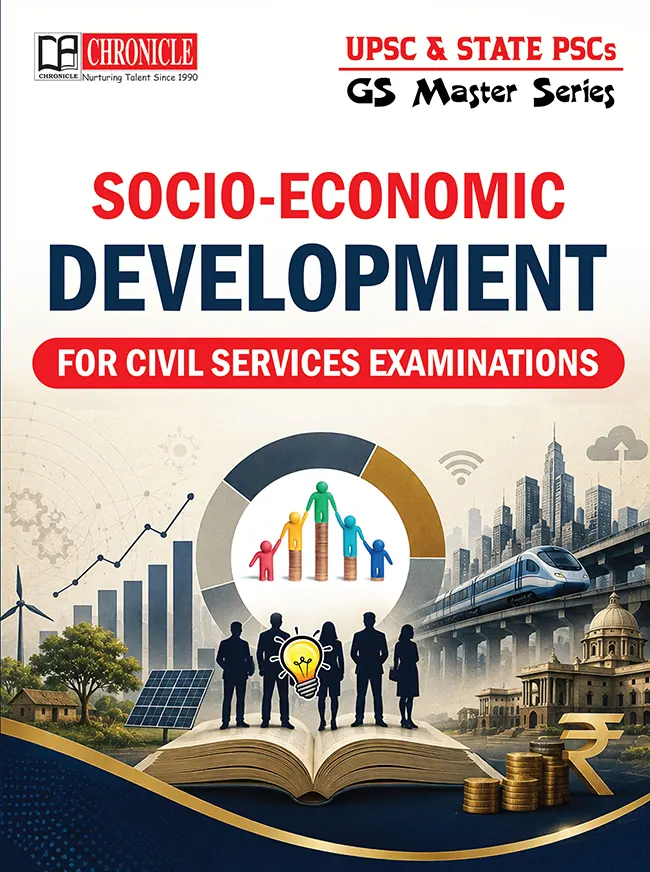
Socio-Economic Development For UPSC GS
Product Type : Print Edition Delivery : FreePrice : 263
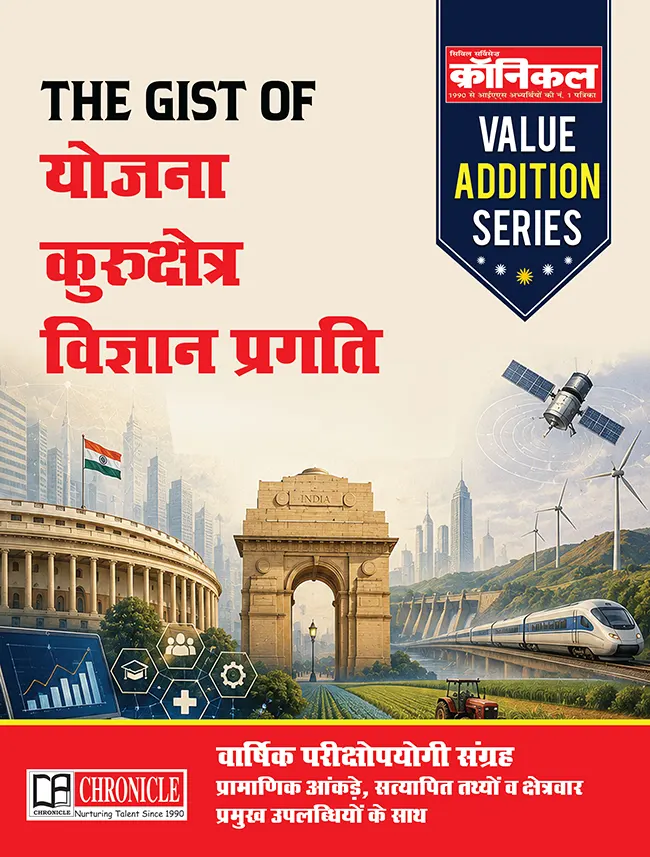
The Gist Of योजना, कुरुक्षेत्र और विज्ञान प्रगति 2026
Product Type : Print Edition Delivery : FreePrice : 120
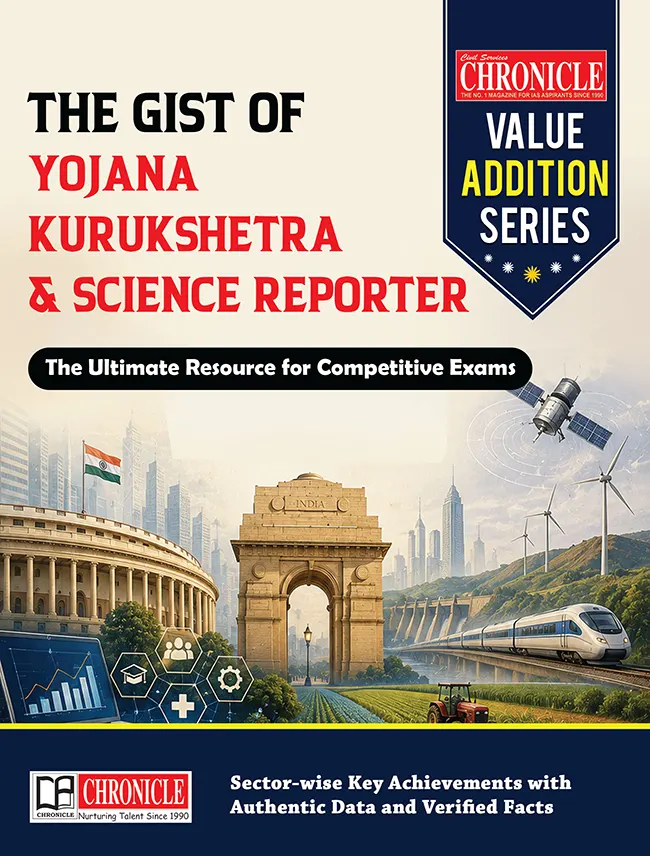
The Gist Of Yojana, Kurukshetra, And Science Reporter 2026
Product Type : Print Edition Delivery : FreePrice : 120
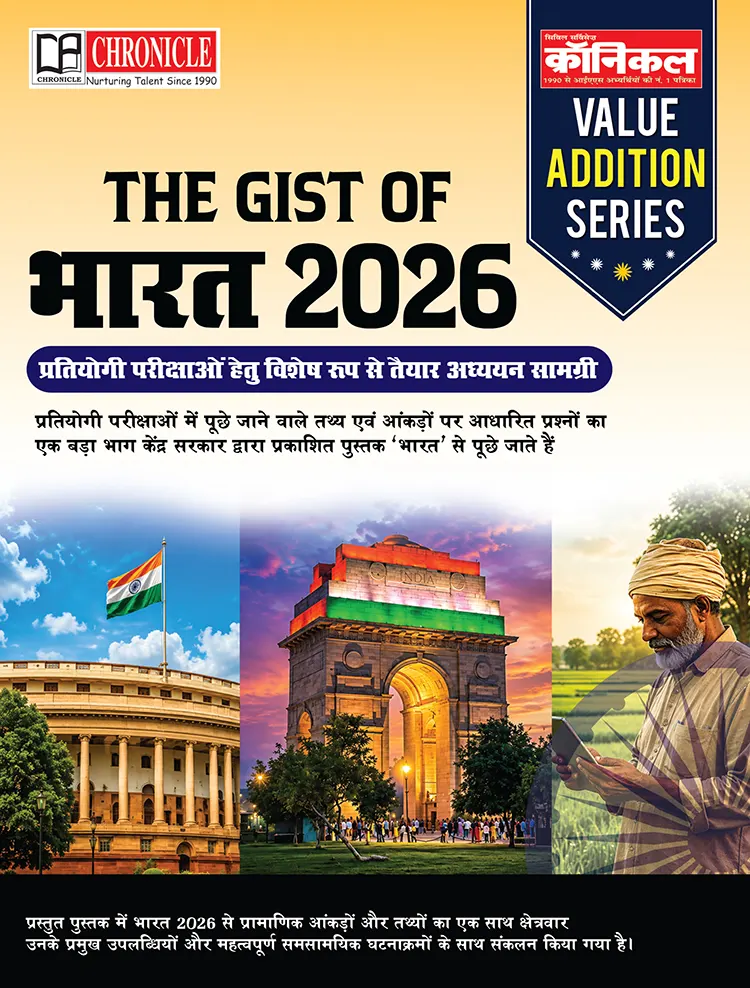
The Gist Of भारत 2026 – UPSC, State PSC एवं Competitive Exams
Product Type : Print Edition Delivery : FreePrice : 152
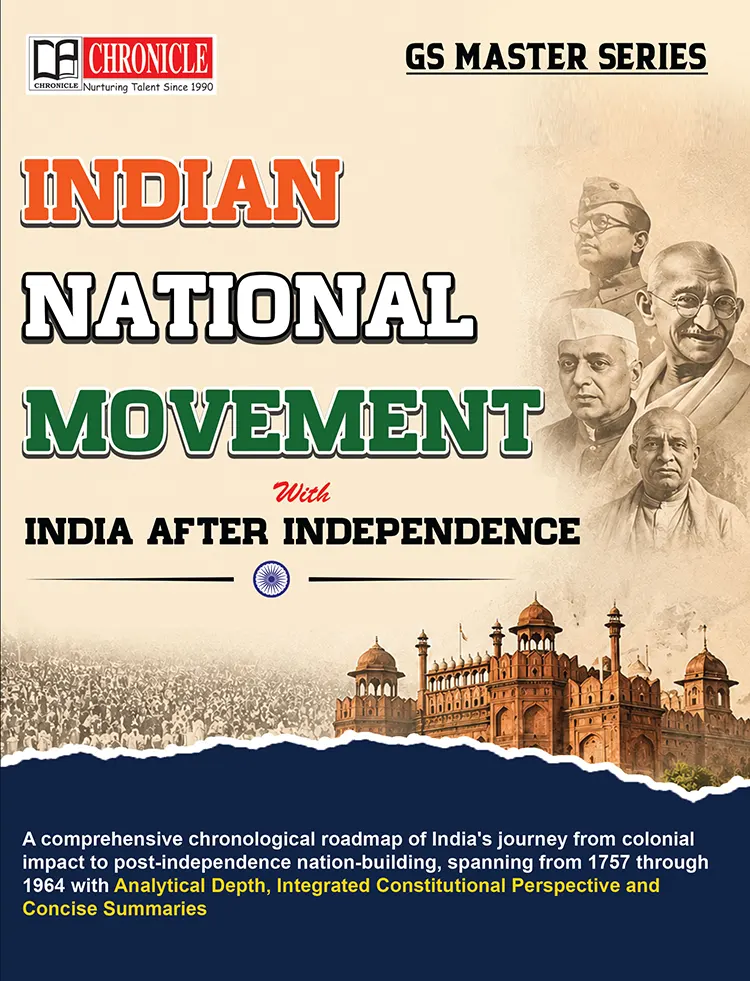
Indian National Movement With India After Independence (1757–1964)
Product Type : Print Edition Delivery : FreePrice : 265
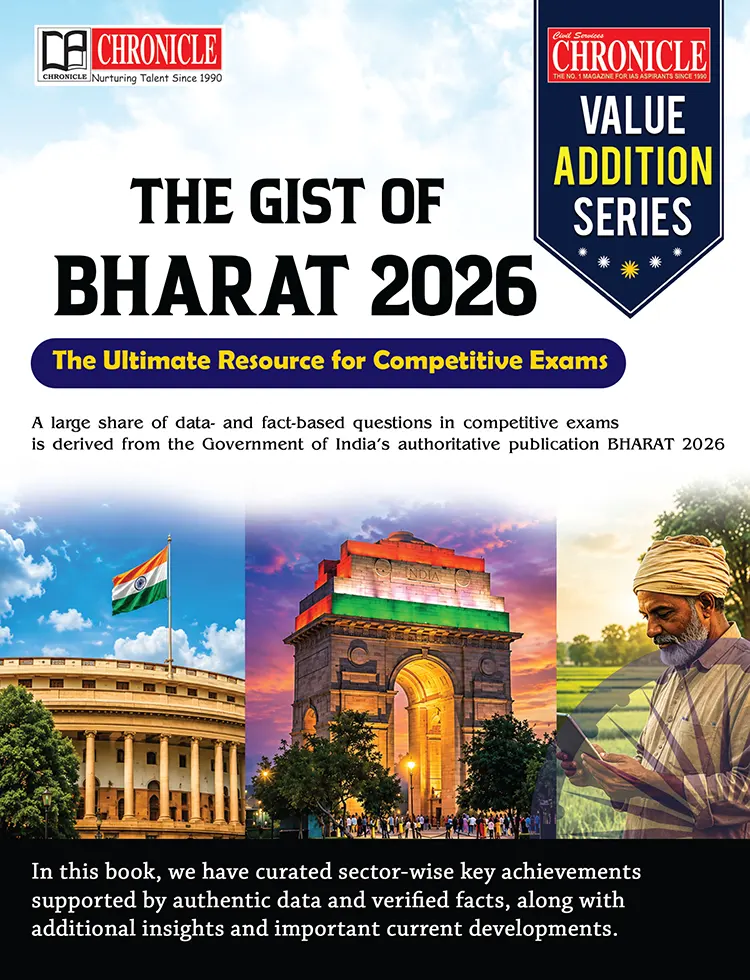
The Gist Of Bharat 2026 – UPSC & State PSC Exam Preparation
Product Type : Print Edition Delivery : FreePrice : 140
