

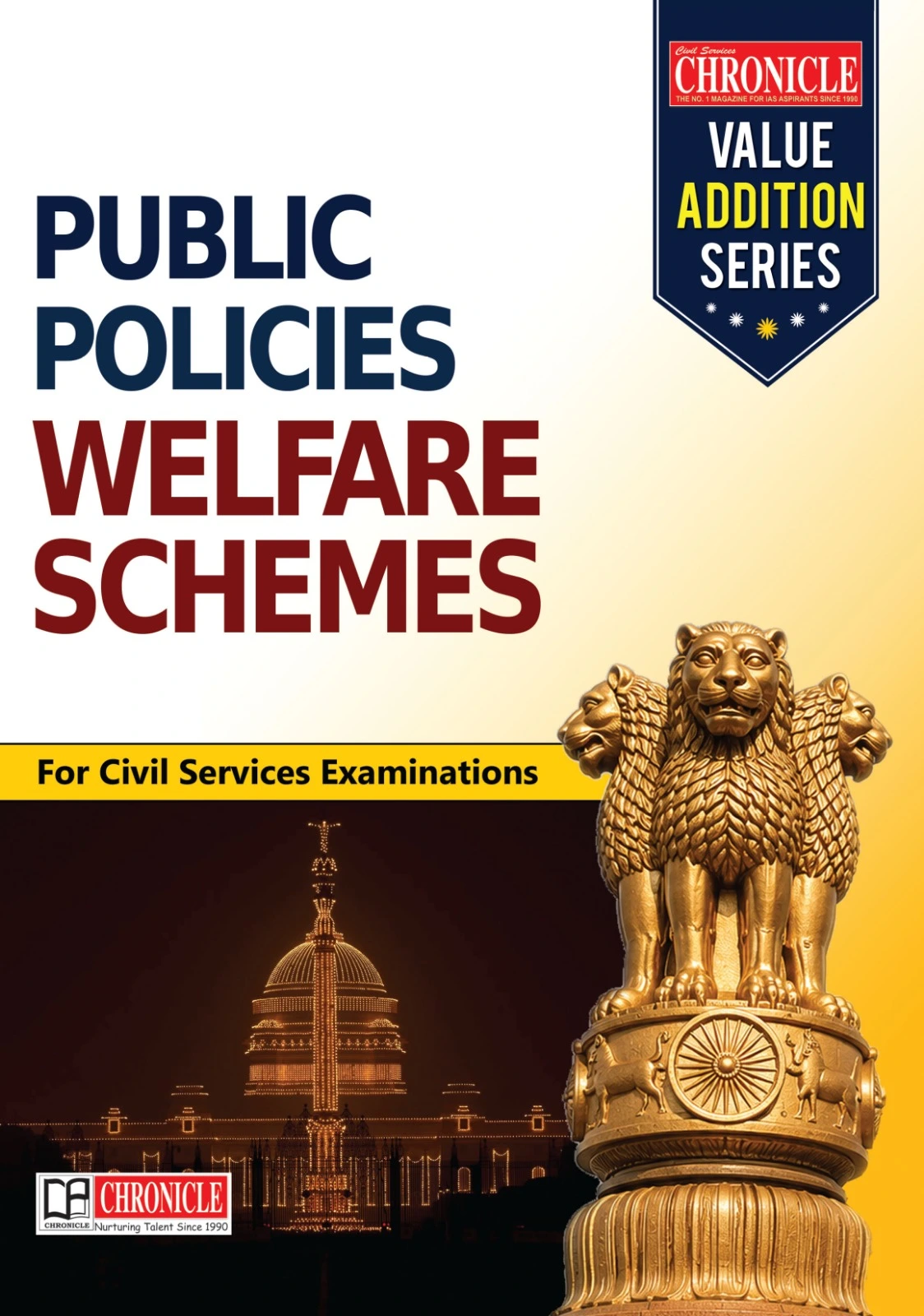
Public Policies & Welfare Schemes 2015–2026
Public Policies & Welfare Schemes, brought out by Civil Services Chronicle, is designed as a focused and exam-oriented resource to address these changing requirements.
The book brings together important government policies, flagship schemes and welfare initiatives in a concise, structured and analytical format, enabling aspirants to understand their relevance across different dimensions of the UPSC syllabus
In an era of rapidly evolving governance and development priorities, Public Policies & Welfare Schemes have become an integral part of the UPSC Civil Services Examination.
Questions are no longer confined to factual knowledge; they increasingly assess an aspirant’s understanding of policy objectives, implementation mechanisms, beneficiaries, institutional frameworks, outcomes and broader socio-economic implications.
Key Features of Public Policies & Welfare Schemes 2015-2026
- Coverage 2015 - 2026: Important Public Policies, Flagship Schemes and Welfare Initiatives covered over the period.
- UPSC-Oriented Content: Focuses on objectives, features, implementation, beneficiaries and outcomes.
- Prelims Ready: Includes key facts such as nodal ministries, eligibility, funding patterns and targets.
- Mains Value Addition: Useful data, policy impacts, challenges and critical analysis for GS-II and GS-III.
- Thematic & Sector-Wise: Policies and schemes organized systematically for easy understanding and revision.
- Challenges & Way Forward: Highlights implementation gaps, limitations and practical solutions.
- SDG Linkages: Connects major government initiatives with relevant Sustainable Development Goals.
- Current Affairs Integration: Links government schemes and policies with contemporary issues.
- Answer Writing Support: Provides ready points on objectives, features, challenges and way forward.
- Multi-Exam Utility: Useful for UPSC, State PSC, RBI Grade B, UGC NET and other competitive examinations.
Specifications |
|
|---|---|
| Availability | In-Stock |
| Language | English |
| Product Type | Print Edition |
| Edition | 2027 |
| Book Code | 453 |
| Delivery | Free |
| No. of Pages | 226 |
Frequently Asked Questions
The book is a specialized "Value Addition" resource that provides a thematic and sector-wise compilation of government initiatives from 2015-2026. It focuses not just on names, but on the "why" and "how" of policies, integrating current affairs with the core constitutional and developmental framework of India.
Unlike standard yearbooks or government manuals that list schemes alphabetically, this book provides a critical analysis of each policy’s impact and its alignment with Sustainable Development Goals (SDGs). It filters out irrelevant data, offering only exam-oriented content that links social justice with governance and economics.
It acts as a one-stop solution for a vast and scattered topic, saving students from browsing dozens of ministry websites and PIB releases. Reading this book ensures that you have a consolidated set of data, objectives, and criticisms required for both objective and descriptive questions.
This book has been authored by the Chronicle Editorial Team, a group of experts with years of experience in analyzing UPSC patterns and trends. The content is developed under the direct guidance of Mr. N.N. Ojha, the Chief Editor of Civil Services Chronicle, who has over 35 years of expertise in mentoring UPSC aspirants.
UPSC has shifted from asking simple factual questions to complex, analytical ones involving the "logic" and "implementation gaps" of schemes. This book addresses this by providing deep insights into policy hurdles and outcomes, helping candidates tackle the "critical evaluation" style of questions now common in the exam.
Yes, it comprehensively covers the "Economic and Social Development" section of the Prelims syllabus. It provides essential factual details such as nodal ministries, eligibility criteria, funding patterns, and specific targets, which are frequently tested in the multiple-choice format.
The book is highly significant for GS Paper II (Governance and Social Justice) and GS Paper III (Economic Development). It provides the necessary weightto answers—such as statistics, committee recommendations, and the socio-economic context of various welfare interventions.
It helps candidates structure their answers by providing ready-made points for "Objectives," "Features," "Challenges," and "Way Forward." Using the specific terminology and data points from the book allows students to write more professional, authoritative, and high-scoring answers and essays.
Beyond UPSC, the book is a vital resource for State PSCs, RBI Grade B, and UGC NET, where government policies form a core part of the syllabus. The clear classification of central and state-centric themes makes it adaptable for any exam testing "General Awareness" or "Social Issues."
For a general reader, it serves as a guide to understanding their rights and the benefits they can claim from the state. For researchers, it provides a chronological and thematic evolution of Indian public policy, acting as a reliable reference for studying the country’s developmental trajectory and welfare architecture.
More Issues
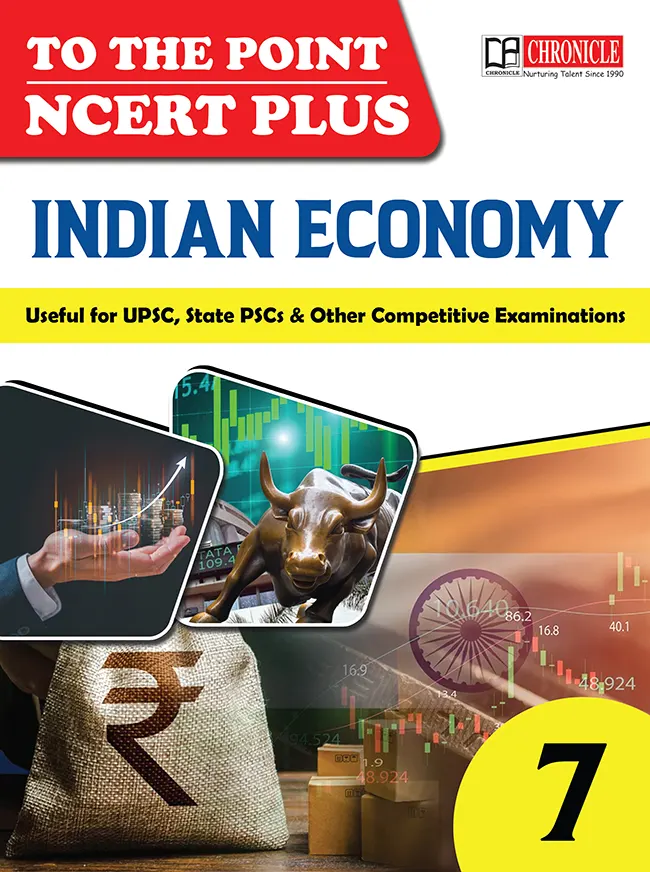
Indian Economy Book For UPSC & State PCS
Product Type : Print Edition Delivery : FreePrice : 288
Constitutional Discourse: Indian Polity & Governance
Product Type : Print Edition Delivery : FreePrice : 293
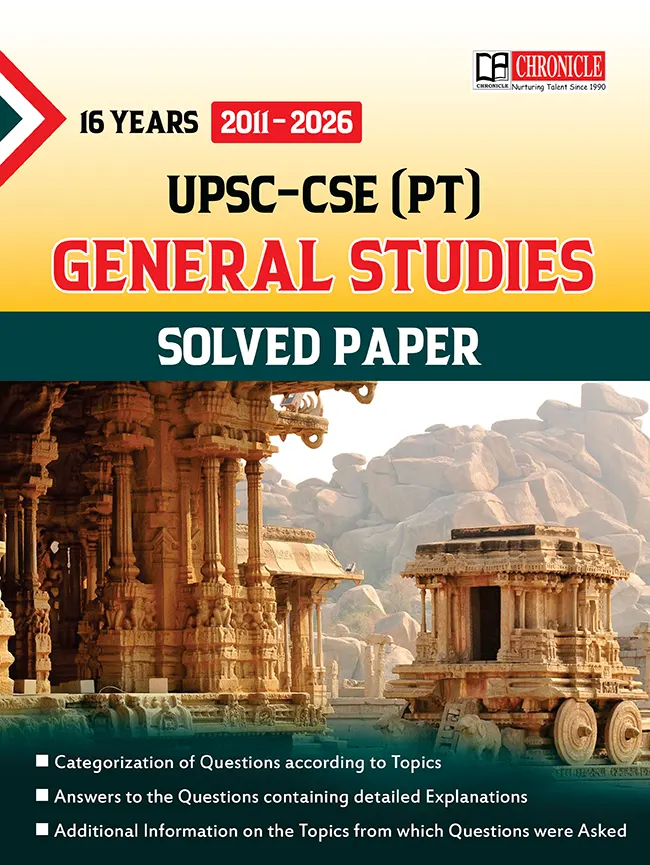
16 Years UPSC-CSE Prelims General Studies Solved Papers
Product Type : Print Edition Delivery : FreePrice : 357
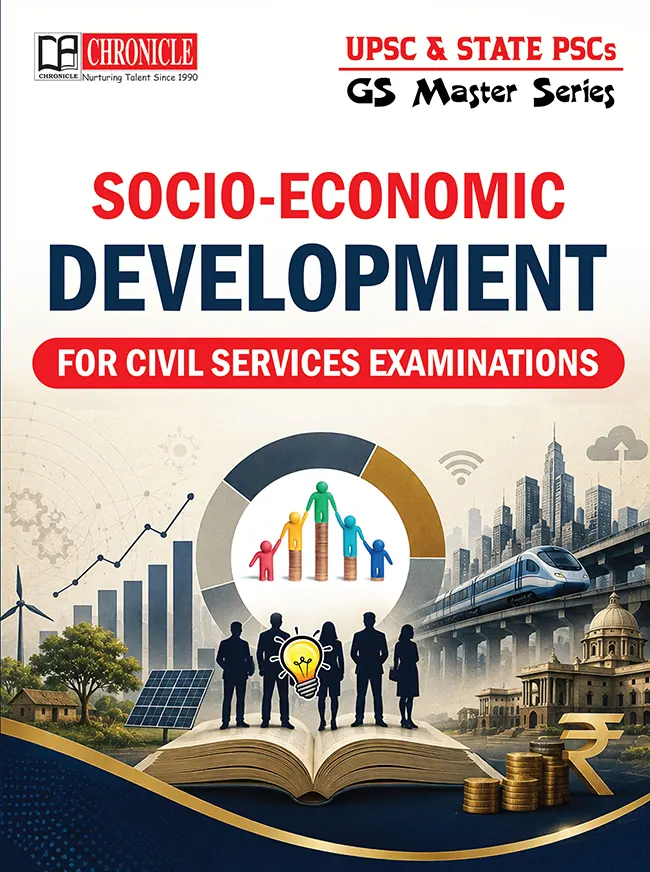
Socio-Economic Development For UPSC GS
Product Type : Print Edition Delivery : FreePrice : 263
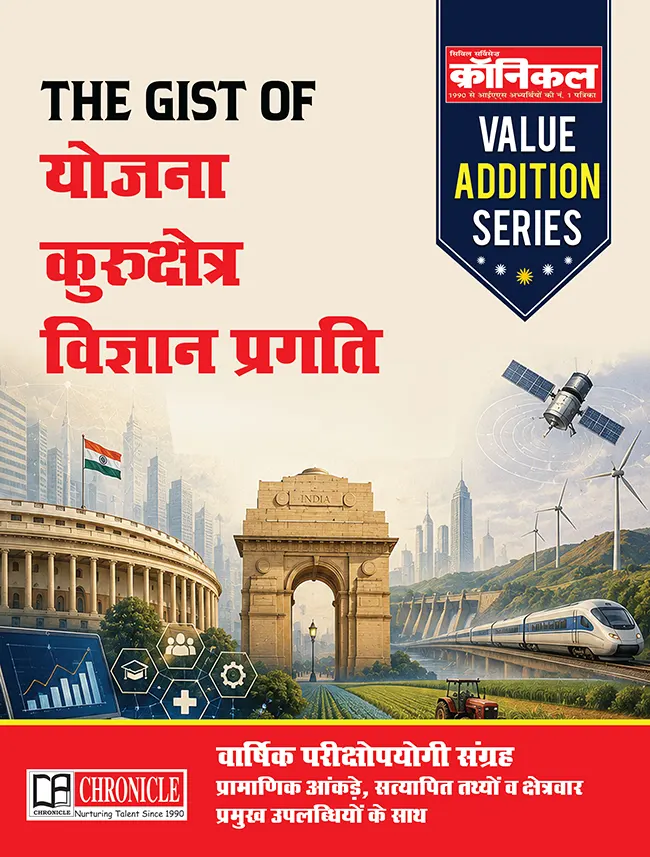
The Gist Of योजना, कुरुक्षेत्र और विज्ञान प्रगति 2026
Product Type : Print Edition Delivery : FreePrice : 120
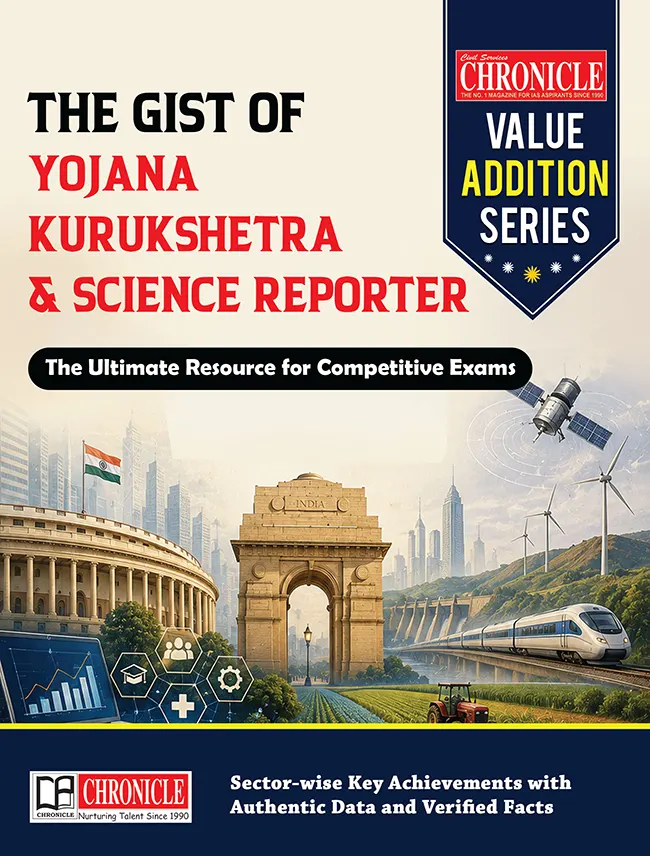
The Gist Of Yojana, Kurukshetra, And Science Reporter 2026
Product Type : Print Edition Delivery : FreePrice : 120
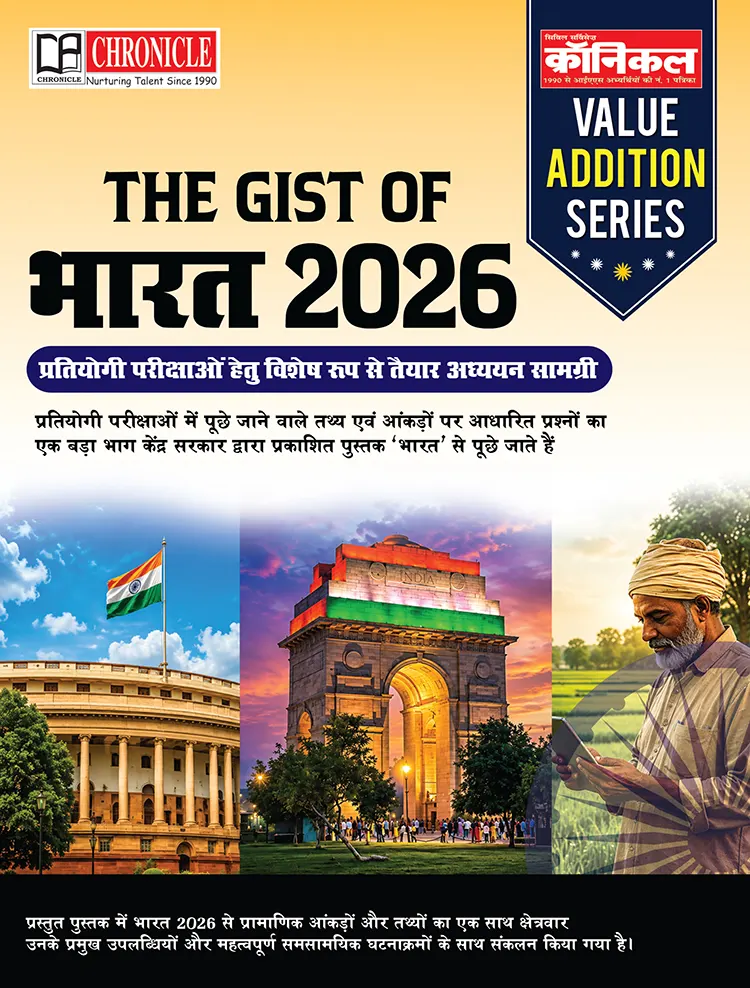
The Gist Of भारत 2026 – UPSC, State PSC एवं Competitive Exams
Product Type : Print Edition Delivery : FreePrice : 152
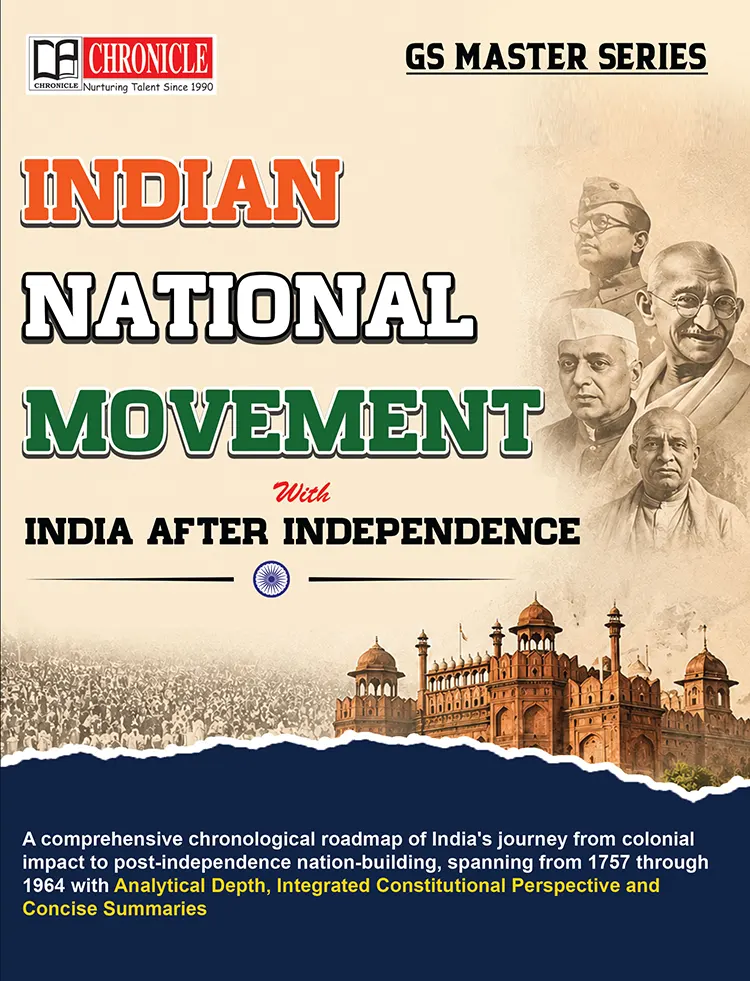
Indian National Movement With India After Independence (1757–1964)
Product Type : Print Edition Delivery : FreePrice : 265
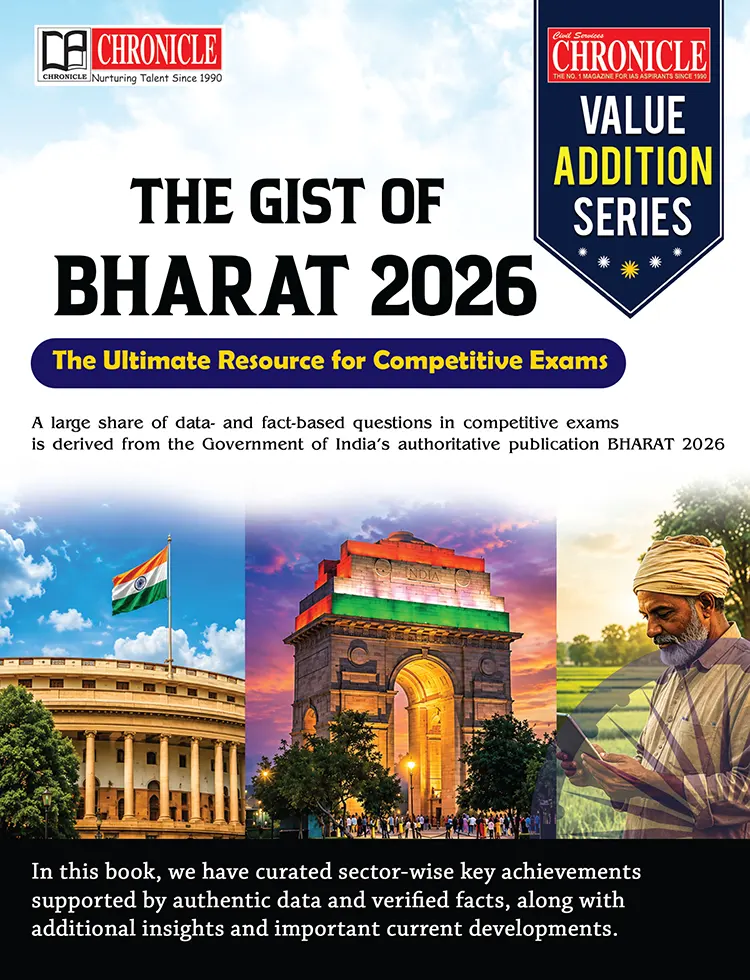
The Gist Of Bharat 2026 – UPSC & State PSC Exam Preparation
Product Type : Print Edition Delivery : FreePrice : 140
