
CCMB Study Finds Novel Genetic Risk Factors for Heart Failure among Indians
- 18 Jan 2022
A team of scientists at the CSIR-Centre for Cellular and Molecular Biology (CCMB), Hyderabad, have found novel genetic mutations in the beta myosin heavy chain gene (β-MYH7) that are responsible for causing dilated cardiomyopathy among Indians.
The mortality rate due to cardiovascular diseases is very high in India compared to western countries.
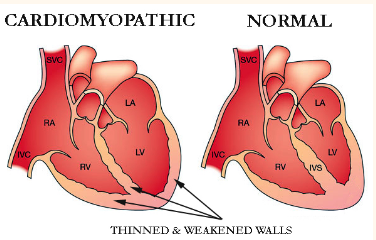
Cardiomyopathy
- Cardiomyopathy changes the integral structure of the heart muscle and as a result, the heart is unable to pump blood efficiently. This increases the risk of heart failure leading to sudden cardiac death.
β-MYH7 & India
- The β-MYH7 is one of the major genes implicated in cardiac diseases globally.
- Not many genetic studies were carried out in Indian cardiomyopathy patients.
- Hence, Researchers at CCMB, Hyderabad sequenced β-MYH7 gene of 137 dilated cardiomyopathy patients along with 167 ethnically matched healthy controls to identify the mutation(s), if any, that are associated with dilated cardiomyopathy in Indian patients.
Findings
- The study revealed 27 variations, of which seven mutations (8.0%) were novel and were detected exclusively in Indian dilated cardiomyopathy patients.
Benefits of this Study
- The study can help in developing gene-editing methods that may rescue cardiac contractility of failing hearts among Indians with the novel mutations.